
What Shoppers Should Know Before Buying Across The Row’s Sale Season
Discounting is something The Row label hardly ever engages in, but when it does, the markdown occurs discreetly. There is no flashing banner, no ticking clock, no inbox blitz proclaiming “50% off.” Much like its design philosophy, the brand’s way of handling price cuts stays low-key, deliberate, and easy to miss if you are closely watching. For anyone tracking a row sale in 2026, the first thing to understand is that patience and timing matter more than luck.
Started by Mary-Kate and Ashley Olsen, The Row forged its standing on understated cut-and-sew work, subdued color ranges, and leather accessories that are constructed with real engineering behind them, not just basic stitching. That reputation is exactly why sale windows move fast. Quantities are deliberately restricted — The Row produces in smaller runs than most luxury houses — so once a style is discounted, it may disappear within days, occasionally within hours, particularly in in-demand sizes and neutral shades such as black, ecru, and tan.
When The Row Really Hits a Markdown
The Row tends to limit discounting to two windows — a mid-season adjustment around June-July, and a more extensive year-end sale in December-January — different from mass-market luxury brands that hold seasonal markdowns four to five times annually. These are not fixed dates — they shift somewhat year over year depending on inventory levels — yet buyers who have followed the brand over multiple seasons note this rhythm holding fairly consistently into 2026.
Retailers carrying The Row, including multi-brand luxury sites, sometimes run their own promotional cycles independent of the brand’s direct site. This means a row sale on a third-party retailer might appear before or after The Row’s own markdown period. Checking multiple authorized stockists rather than relying on a single source increases the odds of catching a discount on the exact piece you want.
Those devoted to buying at full price also observe that a handful of styles seldom go on sale. Its most coveted bags — particularly items belonging to the Margaux line — tend to stay at full price even when official promotions are running, because demand rowbag.com/top-handle consistently outstrips what’s actually in stock. Blazers and outerwear go on sale more often than the brand’s most iconic bags.
Row Bags Breakdown: What’s Actually Worth Buying
Any row bags overview has to start with construction. The Row’s leather goods use vegetable-tanned and semi-aniline leathers sourced primarily from Italian tanneries, finished with hand-applied edge paint rather than machine-stitched binding. That detail alone explains part of the price point — hand-finishing takes longer and costs more than automated production, and it shows in how the edges age over years of use rather than fraying within months.
Among top row bags, three names resurface repeatedly in resale circles and style edits: the Margaux, the Sofia, and the Everyday Tote. Each bag serves a separate need, and grasping those differences counts for more than chasing whatever style is currently trending on social media that week.
- The Margaux bag comes in multiple sizes (commonly referenced as Margaux 12, 15, and 17) and is structured enough to hold its shape on a shelf, making it a popular choice for those who want a bag that looks intentional even half-empty.
- Its tote bag lineup, including the Sideby and N/S Park styles, trend more relaxed and less rigid, meant for daily carry rather than showcasing, with less internal structure and more relaxed silhouettes.
- Because they involve lower production costs and higher turnover, more compact crossbody and clutch styles from the brand cycle more frequently and often show up in markdown periods.
Resale value factors heavily into why shoppers treat The Row differently than other luxury handbag brands. Well-maintained pieces, especially the Margaux, often hold 60-75% of retail value on the secondary market — owing to limited output and consistent demand, according to consignment platforms that monitor luxury handbag pricing. That retention rate is closer to what you’d expect from Hermès or Chanel than from most contemporary luxury labels.
Buying The Row Margaux Bag Without Overpaying: Where to Look
The question of where to buy The Row Margaux bag surfaces again and again, and the frank answer is: it comes down to your priorities. Its own website and flagship boutiques offer the surest authentication and the best chance at pre-order access for new colorways, but they almost never discount the Margaux specifically.
Those authorized multi-brand retailers that carry a curated selection of The Row’s collection together with other contemporary and luxury labels sometimes get limited Margaux stock ahead of a broader release. Even when The Row’s direct channels hold firm on price, these retailers occasionally feature the Margaux in their own promotional events, offering persistent shoppers a chance at genuine savings of 10-20%.
Consignment and resale platforms dedicated to authenticated luxury goods represent the third route, and they’re worth considering carefully. A well-cared-for Margaux in a classic colorway can appear on resale marketplaces for 20-30% below original retail, particularly if it’s a size or color that fell out of favor. The tradeoff is longer wait times to find the right piece and the need to verify authentication credentials before purchasing.
Buyers should be wary of unusually steep discounts from unfamiliar sellers. A Margaux listed at 50% off retail from a site with no verifiable authentication process is a red flag, not a bargain. The Row’s limited production numbers make counterfeits a real risk in this price bracket, and the brand does not offer a public authentication service, which puts more responsibility on the buyer to vet the seller.
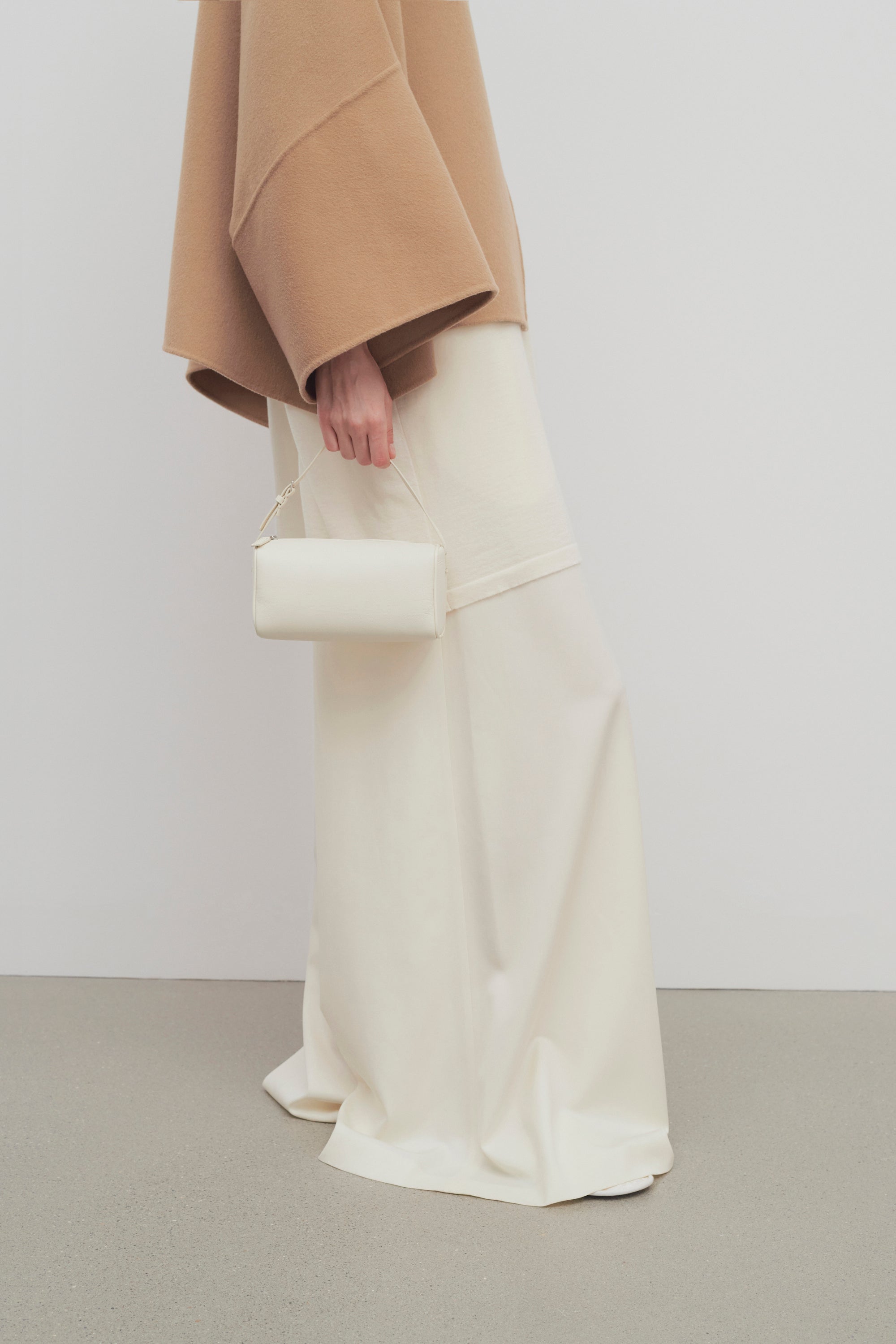
The Row’s Hallmark Bag Styles: A Side-by-Side Look
Since so much of the discussion about the row lineup centers on choosing between styles, what each design is truly meant for comes into focus through a straightforward contrast.
| Bag Style | Best For | Structure | Sale Frequency |
|---|---|---|---|
| Margaux | Great for an investment buy and a firm-shaped everyday bag | Structured and holds its form even unpropped | Uncommon, even in sale windows |
| The Sideby Tote | Ideal for commuting to work and carrying documents and a computer | Unstructured and droops when only lightly filled | Appears on sale occasionally, around the season’s midpoint |
| Sofia | Nighttime or a more compact daytime option | Partially structured | Sporadic |
| N/S Park Tote | Trips, bulky day-to-day items | Soft-sided and it stretches with added weight | Turns up with some regularity in markdowns, more so than most |
Because “row sale” queries frequently group every handbag silhouette into one bucket, this kind of comparison is important—when you dig in, the odds of a price cut swings a lot by silhouette.
Totes and larger carryalls are reduced in price more often simply because they are made in somewhat greater quantities than the Margaux style.
Effective Shopping Plays for 2026’s Promotions Timeline
For shoppers serious about catching The Row at a reduced price this year, a few practical habits make a measurable difference. Signing up for notifications at multiple authorized retailers rather than just the brand’s own site widens the net considerably, since stock allocation differs between channels.
Monitoring specific SKUs as opposed to scrolling through broadly also helps. Given that inventory changes hour to hour during peak periods on the general new-markdowns page, reviewing that precise product listing every few days when sale windows are expected works better than browsing it — especially when a specific Margaux size and color is the target.
Keeping adaptable about sizing and hue truly broadens the possibilities. Neutral tones like black and tan run out soonest even at the full price, but less mainstream or seasonal colorways are more likely to turn up in a markdown because they move more slowly early on. Better availability and better discounts frequently reward shoppers open to a more unusual shade.
To close out, the state of the piece matter equally when buying resale as when acquiring something fresh off the shelf. Examining corner wear, the state of the edge paint, and any hardware tarnish before you buy protects against paying near-retail for a bag that requires repair. Leather from The Row ages gracefully, but that’s only true if it started out in solid shape.
For whoever is sizing up the row style scene this season, the overarching takeaway is straightforward: its discipline around discounting is intentional, so viewing a row sale as a uncommon event rather than a routine annual ritual will lead to sharper, quicker decisions when the window does open.
